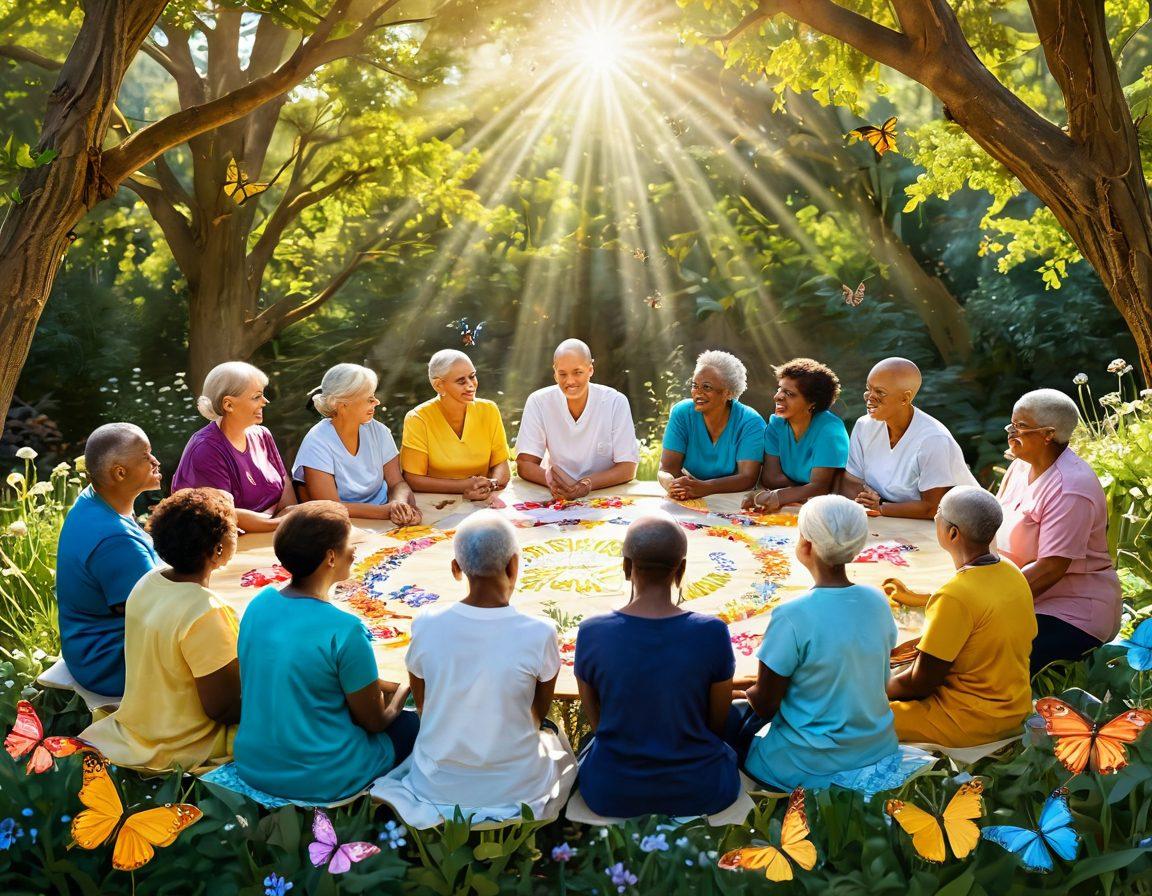
Empowering Lives: Transformative Strategies for Cancer Awareness and Survivor Support
Navigating the journey of cancer doesn’t just involve medical appointments and treatment plans; it’s a deeply personal experience that can transform lives in unexpected ways. For cancer survivors, every day is a testament to courage, resilience, and the unwavering will to thrive. But they don’t have to travel this road alone. Comprehensive support from caregivers and the community can make a significant difference in this journey. What essential resources are available for cancer survivors and their caregivers? Let's explore the strategies designed to empower lives during and after the oncology saga.
Understanding the medical landscape is vital; hence, familiarizing yourself with terms such as malignancy, tumor, and treatment options—ranging from chemotherapy to immunotherapy—is crucial. Why not think of it as acquiring armor for your journey? Equipped with health education, you can advocate for yourself and your loved ones during clinical appointments. Survivor stories often highlight the importance of learning about screening, diagnosis, and preventive measures that can help you stay ahead of the game. Knowledge is a powerful tool in the fight against cancer.
But it’s not all about medical jargon and clinical research. Enhancing your well-being involves holistic health and lifestyle changes, supporting both physical and mental health. Movie nights, community support groups, and engaging in enriching activities can significantly uplift spirits. After all, the healing process isn’t limited to a hospital bed. Ever thought about how gardening or yoga can aid in symptom management? Finding joy in little things nurtures the soul and creates a lens of positivity for those challenging days ahead.
Caregivers often find themselves grappling with stress and emotional burdens while providing unwavering support. That’s where caregiver resources come into play. Tips and tricks shared by seasoned caregivers can be invaluable. Establishing a reliable support network can alleviate some of their challenges. Whether you turn to family, friends, or survivor support groups, remember, you’re part of a larger community. Rely on these connections, as they can serve as both a rock and a ray of light in the dark times. And how often do we remind ourselves to check in on our loved ones during stressful times?
Finally, let’s talk about patient advocacy—after all, being a survivor or a caregiver means being a voice that deserves to be heard. There are numerous organizations dedicated to cancer awareness that champion the need for better healthcare, research, and community resources. Every interaction, every dialogue can make waves that lead to more robust patient support systems and enrich the lives of many in similar situations. The journey may be challenging, but with effective resources, strong advocacy, and unwavering determination, a fulfilling life after cancer is not just possible, it is probable. Ready to embark on this transformative journey together?
Innovative Therapies: Exploring the Latest Advances in Cancer Treatment and Support
In the vast landscape of oncology, the journey from diagnosis to healing is often riddled with uncertainty and challenges. Imagine stepping into a world where malignancy is met not with dread, but with hope—where innovative therapies emerge like beacons of light through the fog of cancer treatment. This blog aims to explore the latest advances in cancer treatment and support that are redefining patient experiences and fighting the tumor with an arsenal of innovative strategies. Each breakthrough opens doors to new possibilities, creating a ripple effect in healthcare, one that signifies progress in patient support, well-being, and cancer awareness.
Did you know that around 1 in 2 men and 1 in 3 women will receive a cancer diagnosis in their lifetime? It’s a staggering statistic that underscores the importance of early screening and proactive health education. The landscape of cancer treatment has evolved significantly, introducing therapies such as immunotherapy that harness the body's own immune system in the fight against cancer. These advancements not only promise more effective outcomes but also aim to reduce the side effects associated with traditional chemotherapy and radiation therapy. Picture this: a treatment plan designed for you, focusing on holistic health and tailored to your unique biology—a reality that is rapidly becoming achievable through clinical research and personalized medicine.
As we tread further into the realm of cancer therapies, let's reflect on the power of stories—survivor stories that ignite hope and inspire resilience. Every narrative is a powerful testament to human spirit, resilience, and the efficacy of community support. Individuals who have successfully navigated their diagnosis often become advocates for others, sharing insights and strategies that can transform someone else’s journey. Such shared experiences not only create a nurturing environment but also foster a strong bond among patients, caregivers, and healthcare providers. So, what can you learn from these stories, and how can you apply them to your own life or the lives of those you love?
Taking action is a vital component of cancer care. Lifestyle changes play a crucial role in symptom management and enhancing quality of life both during and after treatment. Engaging in physical activity, adhering to nutritional guidelines, and maintaining mental health can significantly impact well-being for cancer survivors. But remember, it's not just about individual changes; it’s about harnessing the strength of community support as well. Local support groups and caregiver resources can provide invaluable insights and help you navigate the complexities of your journey. Are you ready to be part of a community that uplifts and empowers?
Finding healing through innovative therapies is a constant theme in the evolving saga of cancer support. With advancements in screening and diagnosis improving early detection rates, patients now have more tools at their disposal. The fight against tumors has expanded beyond the conventional to include diversity in treatment options, awareness of preventive measures, and the importance of patient advocacy. As we embrace these transformative strategies, let us carry forward the message: cancer awareness not only saves lives but also empowers people to reclaim their health. So, how will you contribute to spreading this awareness and supporting those in need?
Building a Supportive Community: Engaging Strategies for Raising Cancer Awareness and Advocacy
Every year, millions are touched by cancer in one way or another—whether through personal diagnosis, the experience of a loved one, or seeing the heartbreak on a friend’s face. This is a testament to the silent menace of malignancy, a condition that carries a heavy emotional toll. But amidst the darkness, there’s a shining light of community support that can empower individuals navigating the turbulent waters of cancer. It’s in this context that building a supportive community emerges as an essential strategy for cancer awareness and advocacy. So, how can we rally together to create an environment that fosters healing, education, and a proactive approach to cancer care?
Imagine a bustling community center where the air is filled with laughter, empathy, and hope. Here, cancer survivors share their journeys, offering insight into their diagnosis, treatment options like chemotherapy and radiation therapy, and lifestyle changes that have aided their healing process. These survivor stories are essential not only for education but also for instilling a sense of camaraderie among those currently battling this illness. Mark Twain once said, "The best way to cheer yourself up is to try to cheer somebody else up." And how true that is! By creating spaces for storytelling, we can ignite conversations about cancer awareness and patient support, ultimately paving the way for mutual understanding and strength.
Engaging strategies to raise cancer awareness often stem from the beautifully simple idea of connection. Communities can organize events like health education workshops, fundraising runs, or even social media campaigns to disseminate knowledge about preventive measures and screening processes. How many of us have wondered about the importance of early diagnosis? By utilizing these platforms, we can educate others about the vital role of clinical research in developing innovative therapies like immunotherapy, while also demonstrating the sincere commitment to promoting well-being in our neighborhoods. Community support can turn awareness into action, and action into change.
Imagine the impact of establishing caregiver resources that not only support the patient but also empower those who stand by their side during treatment journeys. Caregivers often bear the weight of emotional exhaustion and overwhelming responsibilities. Initiatives like support groups can provide a sanctuary for them—an opportunity for sharing burdens, experiences, and solutions. After all, as Anna Deavere Smith poignantly stated, "We are all more alike than we are unalike.” If we support caregivers, we strengthen the foundation of patient advocacy which, in turn, enhances the overall care experience for cancer patients and survivors alike.
Ultimately, the journey through oncology is not a solo expedition. It’s a tapestry woven with threads of shared experiences, empathy, and unwavering support. As we actively pursue strategies that engage our communities in raising cancer awareness, let's remind ourselves that every action, no matter how small, contributes to the larger battle against this disease. From hosting events to advocating for symptom management and holistic health practices, together we can cultivate an environment that nurtures healing and resilience. So, what will you do this week to inspire change and support not only yourself but those around you in their fight against cancer?